Prediabetes: The Silent Warning Sign Before Diabetes Develops
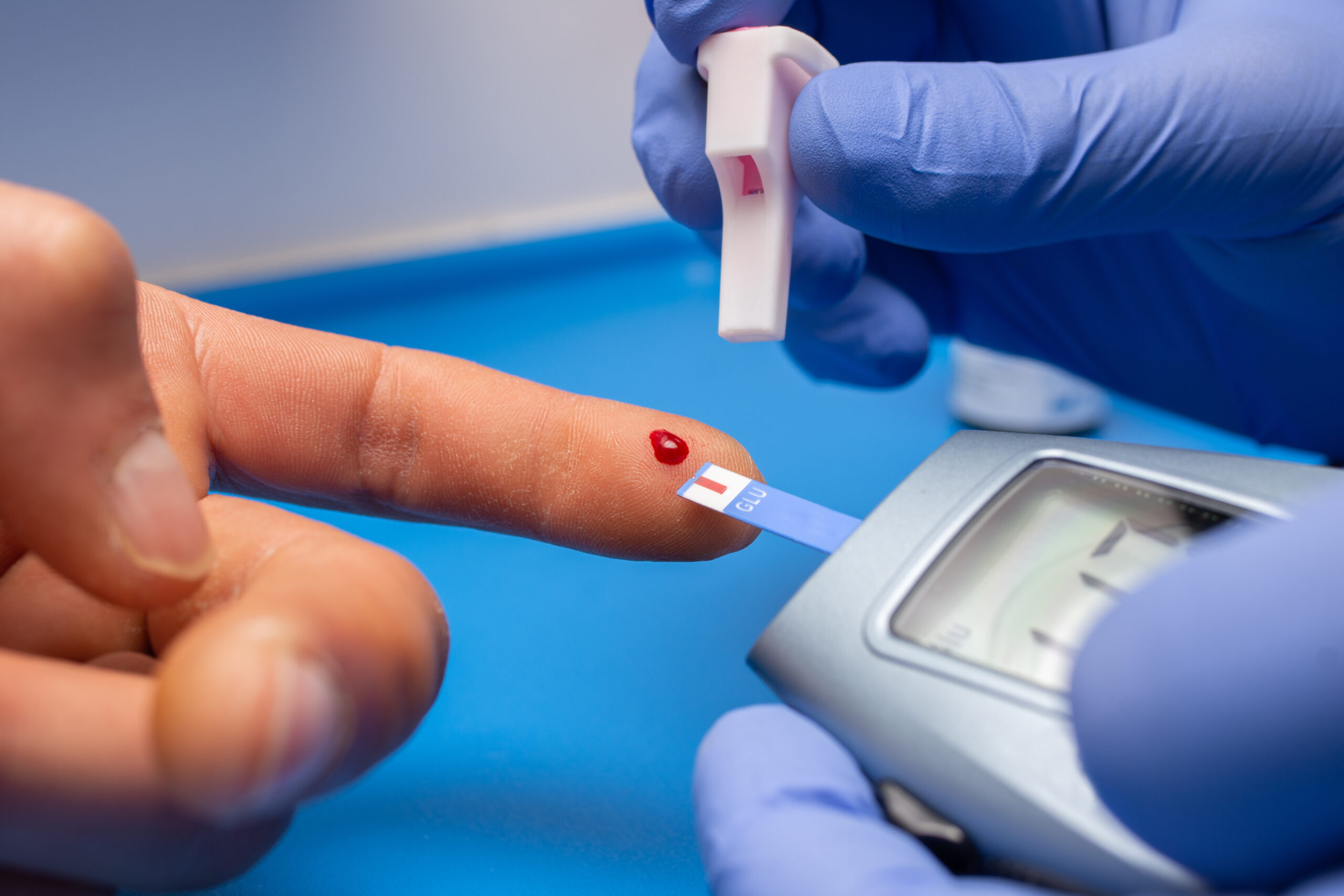
Prediabetes is a condition in which blood sugar levels are higher than normal but not yet high enough to be diagnosed as diabetes. Often referred to as a "silent" condition, prediabetes usually does not cause noticeable symptoms, allowing it to go undetected for years. However, without timely intervention, it can progress to Type 2 Diabetes and increase the risk of serious health complications. One of the biggest concerns with prediabetes is that many individuals are unaware they have it. The condition develops gradually and is commonly associated with factors such as being overweight, physical inactivity, unhealthy dietary habits, family history of diabetes, high blood pressure, and increasing age. People with prediabetes may also be at a higher risk of developing heart disease and stroke, even before diabetes is formally diagnosed. Although symptoms are often absent, some individuals may notice signs such as increased thirst, frequent urination, fatigue, or darkened patches of skin around the neck, armpits, or other body folds. However, the most reliable way to detect prediabetes is through regular health screenings and blood sugar tests, especially for those with known risk factors. The encouraging news is that prediabetes can often be reversed through lifestyle modifications. Adopting a balanced diet rich in vegetables, fruits, whole grains, and lean proteins can help regulate blood sugar levels. Regular physical activity, maintaining a healthy weight, getting adequate sleep, and managing stress are equally important in preventing the progression to Type 2 Diabetes. Even modest weight loss can significantly improve the body's ability to use insulin effectively. Regular monitoring is essential because early detection provides an opportunity to take corrective action before permanent damage occurs. Individuals diagnosed with prediabetes should work closely with healthcare professionals to develop a personalized plan that addresses their specific risk factors and health goals. At Ruby General Hospital, we believe that awareness and preventive care are key to reducing the burden of diabetes. Routine health check-ups, timely screening, and healthy lifestyle choices can make a significant difference in preventing or delaying the onset of Type 2 Diabetes. If you have risk factors for diabetes or have not checked your blood sugar recently, consider consulting a healthcare professional and taking the first step toward better health today.




 98311 79175
 ruby@rubyhospital.com
© Ruby General Hospital - 2026. All Rights Reserved. Website Managed by M9 IT Consulting Services
ruby@rubyhospital.com
© Ruby General Hospital - 2026. All Rights Reserved. Website Managed by M9 IT Consulting Services
 Doctor Booking
 Call Us


 Whatsapp


