Robotic Total Knee Replacement: A New Era in Precision Joint Care at Ruby General Hospital
Knee pain can gradually take away the joy of everyday life. Simple activities such as climbing stairs, taking a walk, standing for long periods, or even getting out of a chair can become increasingly difficult due to joint damage caused by arthritis, injury, or age-related wear and tear. While medications, physiotherapy, and lifestyle modifications often provide relief in the early stages, advanced knee arthritis may eventually require surgical intervention. With continuous advancements in orthopaedic care, knee replacement surgery has become more precise, safer, and more personalised than ever before. Taking another step towards delivering advanced healthcare, Ruby General Hospital has introduced Robotic Total Knee Replacement, offering patients a technology-driven approach to joint replacement that enhances surgical precision while supporting better clinical outcomes.
A New Milestone in Orthopaedic Care at Ruby General Hospital
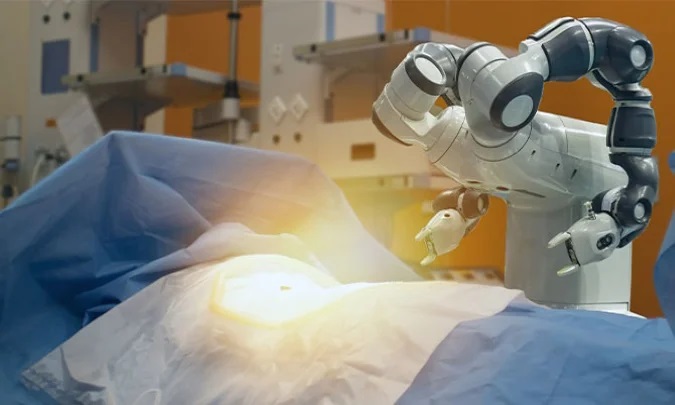
Ruby General Hospital has always been committed to bringing advanced medical technologies closer to patients. The introduction of Robotic Total Knee Replacement reflects this commitment by combining the expertise of experienced orthopaedic surgeons with cutting-edge robotic-assisted technology. It is important to understand that the robot does not perform the surgery independently. Instead, it serves as an advanced surgical assistant, helping the surgeon plan and execute the procedure with exceptional accuracy. Every decision throughout the surgery remains under the complete control of the operating surgeon. This technology enables a personalised approach, taking into account each patient's unique anatomy to achieve optimal implant positioning and alignment.
Understanding Robotic Total Knee Replacement
Robotic Total Knee Replacement is an advanced form of knee replacement surgery that uses computer-assisted planning and robotic guidance to improve precision during the procedure. Before the surgery, a detailed imaging and digital planning helps create a customised surgical plan based on the patient's knee anatomy. During the operation, the robotic system provides real-time information that assists the surgeon in making highly accurate bone cuts and positioning the implant with greater precision than conventional techniques alone. The goal is to restore natural knee movement, improve joint function, and create a stable, well-balanced knee that supports long-term mobility.
Who May Benefit from Robotic Knee Replacement?
Robotic Total Knee Replacement is generally recommended for patients with advanced knee arthritis or severe joint damage that significantly affects their quality of life. Individuals who continue to experience persistent pain despite medications, physiotherapy, weight management, or injections may be suitable candidates. Patients who find it difficult to walk, climb stairs, perform routine household activities, or sleep comfortably because of knee pain should consult an orthopaedic specialist for a comprehensive evaluation. The decision to undergo surgery is always based on the patient's symptoms, clinical examination, imaging findings, and overall health.
Advantages of Robotic-Assisted Knee Replacement
One of the greatest strengths of robotic-assisted surgery is its ability to improve surgical precision. By helping surgeons accurately position the implant and achieve better alignment, the technology contributes to improved joint balance and function. Greater precision may also help preserve healthy bone and surrounding soft tissues wherever possible, potentially resulting in less post-operative discomfort and improved mobility during recovery. Many patients may experience a smoother rehabilitation process, allowing them to regain confidence in their daily activities.While every patient's recovery is different, the combination of advanced technology, meticulous surgical planning, and expert surgical execution aims to deliver durable results and enhance overall patient satisfaction.
Recovery and Rehabilitation
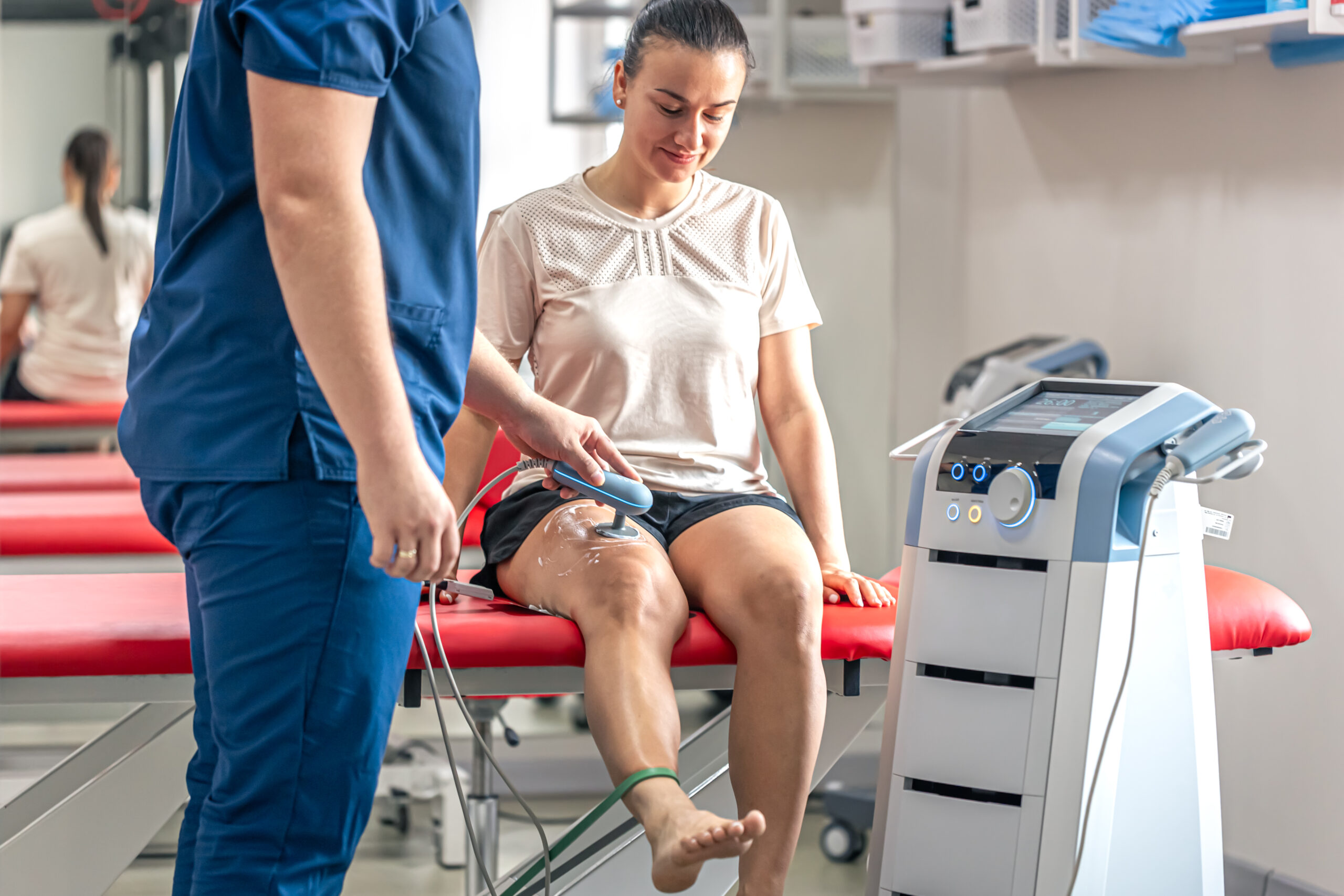
Successful knee replacement extends beyond the operating room. Rehabilitation plays a crucial role in restoring strength, flexibility, and mobility. Following surgery, patients begin a structured physiotherapy programme designed to help them regain movement safely and progressively. The rehabilitation plan is tailored to individual needs and focuses on improving muscle strength, walking ability, joint flexibility, and overall function. Regular follow-up appointments ensure that recovery is progressing as expected and provide opportunities to address any concerns during the healing process.
Why Early Consultation Matters
Many people continue to live with chronic knee pain believing it is simply a part of ageing. However, persistent pain should never be ignored. Early consultation with an orthopaedic specialist can help identify the underlying cause and determine the most appropriate treatment before the condition worsens. Not every patient with knee pain requires surgery. Many cases can be managed successfully with medications, physiotherapy, lifestyle changes, or minimally invasive treatments. When surgery becomes the best option, advances such as robotic-assisted knee replacement provide an additional level of precision that can support improved outcomes.
Advanced Joint Care at Ruby General Hospital
The introduction of Robotic Total Knee Replacement marks another significant step in Ruby General Hospital's commitment to providing world-class orthopaedic care. By combining experienced surgeons, advanced robotic technology, comprehensive rehabilitation services, and patient-centred care, Ruby aims to offer treatment that is both precise and personalised. Every patient deserves the opportunity to move comfortably, remain active, and enjoy a better quality of life. If knee pain has begun to limit your daily routine, consulting an orthopaedic specialist can help you understand the treatment options available and determine the most appropriate path towards recovery. At Ruby General Hospital, we remain dedicated to helping patients take confident steps towards pain-free movement through innovation, expertise, and compassionate care.



 98311 79175
 ruby@rubyhospital.com
© Ruby General Hospital - 2026. All Rights Reserved. Website Managed by M9 IT Consulting Services
ruby@rubyhospital.com
© Ruby General Hospital - 2026. All Rights Reserved. Website Managed by M9 IT Consulting Services
 Doctor Booking
 Call Us


 Whatsapp


