How to Protect Your Skin from UV Damage This Summer
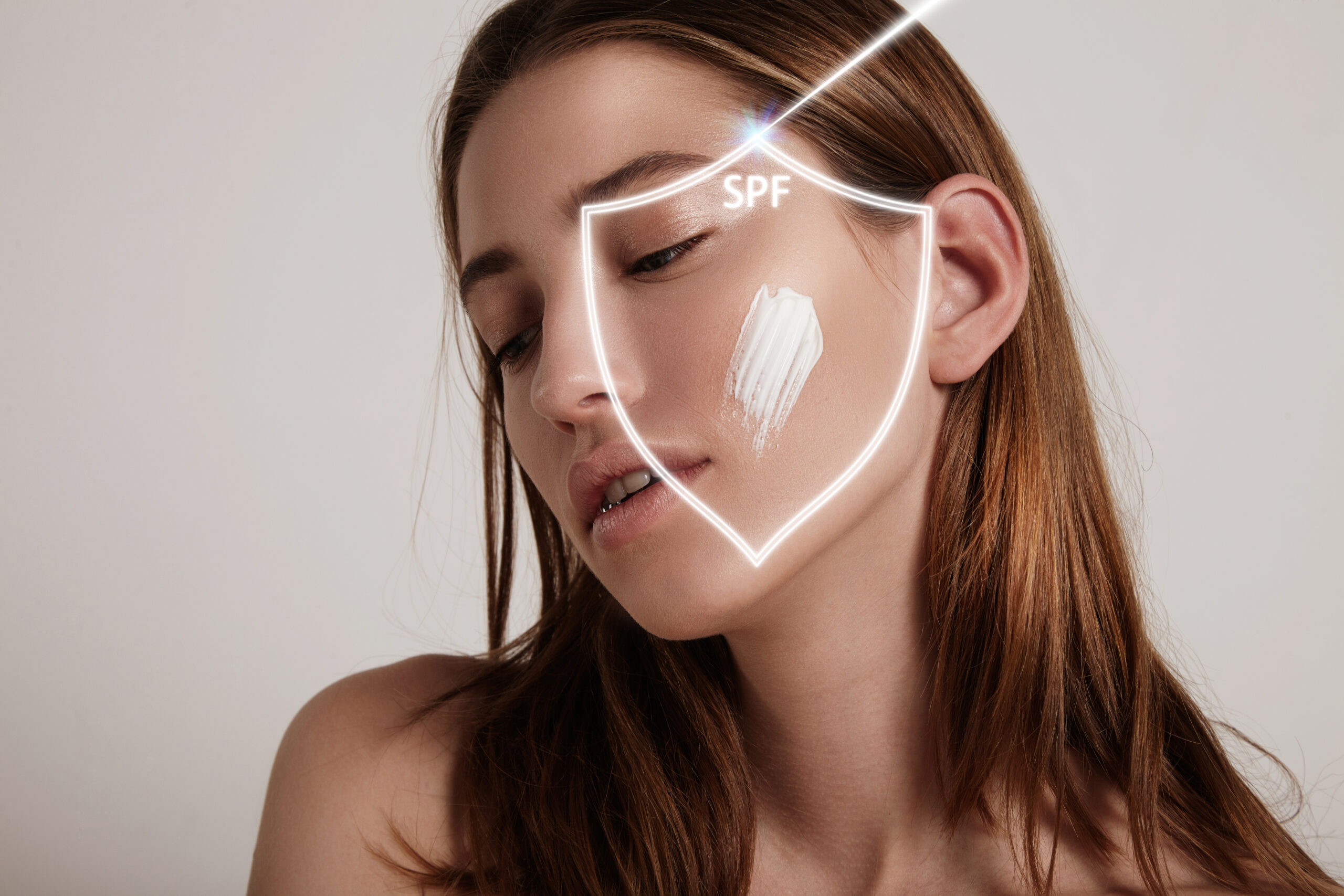
Summer brings longer days and more opportunities to enjoy outdoor activities, but it also increases exposure to ultraviolet (UV) radiation from the sun. While sunlight is an important source of Vitamin D, excessive UV exposure can damage the skin and increase the risk of various skin-related problems. Taking the right precautions can help protect your skin and maintain its health throughout the season. UV rays can penetrate the skin and cause both immediate and long-term damage. Short-term effects may include sunburn, redness, irritation, and tanning, while prolonged exposure can contribute to premature skin ageing, pigmentation, wrinkles, and an increased risk of skin cancer. Individuals with sensitive skin, fair complexions, or a history of excessive sun exposure may be particularly vulnerable. One of the most effective ways to protect your skin is by using a broad-spectrum sunscreen with an appropriate Sun Protection Factor (SPF). Sunscreen should be applied generously to all exposed areas of the skin and reapplied regularly, especially after sweating or spending extended periods outdoors. It is advisable to apply sunscreen even on cloudy days, as UV rays can penetrate through clouds. Limiting direct sun exposure during peak hours, typically between late morning and mid-afternoon, can also help reduce UV-related damage. When spending time outdoors, wearing protective clothing such as long-sleeved shirts, wide-brimmed hats, and sunglasses can provide an additional layer of protection. Seeking shade whenever possible is another simple yet effective measure. Hydration also plays an important role in maintaining healthy skin during summer. Drinking adequate water helps support the skin's natural barrier and prevents excessive dryness. A balanced diet rich in fruits, vegetables, and antioxidants may further help the skin defend itself against environmental stressors. It is equally important to pay attention to changes in your skin. Persistent redness, unusual pigmentation, non-healing sores, or changes in existing moles should not be ignored and may require medical evaluation. Early detection of skin concerns can significantly improve treatment outcomes. At Ruby General Hospital, we encourage individuals to take proactive steps to protect their skin and overall health. By practicing sun safety and seeking timely medical advice when needed, you can enjoy the summer season while minimizing the harmful effects of UV exposure on your skin.





 98311 79175
 ruby@rubyhospital.com
© Ruby General Hospital - 2026. All Rights Reserved. Website Managed by M9 IT Consulting Services
ruby@rubyhospital.com
© Ruby General Hospital - 2026. All Rights Reserved. Website Managed by M9 IT Consulting Services
 Doctor Booking
 Call Us


 Whatsapp


