Knee Pain Isn’t Just Ageing: Signs You May Need a Joint Replacement
Many people believe that knee pain is an inevitable part of growing older. While occasional discomfort may occur with age, persistent or worsening knee pain should never be considered "normal." In many cases, chronic knee pain is caused by conditions such as osteoarthritis, rheumatoid arthritis, old injuries, or joint degeneration that can be effectively treated with timely medical intervention. Ignoring knee pain can gradually affect your mobility, independence, and overall quality of life. Simple activities like walking, climbing stairs, standing for long periods, or even getting out of bed may become increasingly difficult. The good news is that advances in orthopaedic care now offer more precise and personalised treatment options for patients with severe knee damage. Taking another step towards advanced orthopaedic care, Ruby General Hospital has introduced Robotic Total Knee Replacement, bringing cutting-edge technology to patients who require knee replacement surgery. By combining robotic-assisted precision with the expertise of experienced orthopaedic surgeons, the hospital aims to deliver personalised treatment and support better functional outcomes.
Understanding the Causes of Knee Pain
The knee is one of the largest and most complex joints in the body, bearing much of our body weight throughout the day. Over time, the cartilage that cushions the joint may gradually wear away, leading to pain, stiffness, and reduced movement. This process is commonly seen in osteoarthritis, one of the leading causes of chronic knee pain. However, knee pain is not always related to aging. Previous injuries, ligament damage, obesity, inflammatory arthritis, repetitive strain from physically demanding work, and certain medical conditions can also contribute to joint deterioration. Identifying the underlying cause is the first step towards choosing the most appropriate treatment.
Recognising the Signs That Need Medical Attention
Many people continue living with knee pain for years, assuming that discomfort is something they simply have to accept. However, there are several warning signs that indicate it is time to consult an orthopaedic specialist. Persistent pain that continues despite medication or physiotherapy, difficulty walking even short distances, stiffness that limits movement, swelling around the knee, or pain that interferes with sleep should not be ignored. Some people also notice grinding sensations, instability while walking, or difficulty climbing stairs and getting up from a seated position. When knee pain begins to interfere with daily activities, work, or recreational pursuits, it is important to seek professional evaluation rather than relying solely on painkillers.
When Conservative Treatment May No Longer Be Enough
Not every patient with knee pain requires surgery. In the early stages, many individuals experience significant relief through weight management, physiotherapy, medications, lifestyle modifications, or minimally invasive procedures such as injections. However, when these treatments no longer provide adequate relief and joint damage becomes severe, knee replacement surgery may offer the best opportunity to restore mobility and reduce pain. The decision is based on a thorough assessment of symptoms, physical examination, imaging studies, and the patient's overall health and functional limitations.
Introducing Robotic Total Knee Replacement at Ruby General Hospital
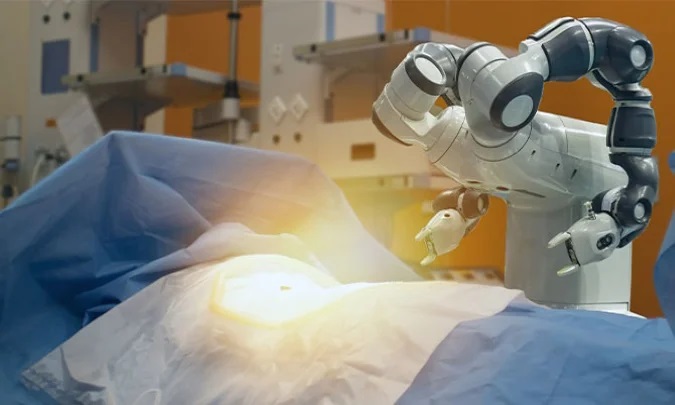
Ruby General Hospital has expanded its orthopaedic services with the introduction of Robotic Total Knee Replacement, a significant advancement in joint replacement surgery. This technology enables surgeons to plan each procedure based on the patient's unique anatomy, allowing for greater precision during surgery. Contrary to a common misconception, the robotic system does not perform the operation on its own. Instead, it serves as an advanced tool that assists the surgeon by providing real-time data and enhanced accuracy throughout the procedure. Every surgical decision remains under the complete control of the orthopaedic surgeon. By helping achieve precise implant positioning and better alignment, robotic-assisted surgery supports a personalised approach to knee replacement while preserving healthy bone and surrounding soft tissues wherever possible.
How Robotic-Assisted Surgery Benefits Patients
Precision plays a vital role in the long-term success of knee replacement surgery. Robotic assistance allows surgeons to execute the preoperative plan with a high degree of accuracy, helping create a well-balanced knee joint that feels more natural during movement. This level of precision may contribute to improved joint function, greater stability, and a smoother recovery for many patients. Combined with comprehensive rehabilitation and physiotherapy, robotic-assisted knee replacement aims to help patients regain confidence in their mobility and return to everyday activities more comfortably. As with any surgical procedure, individual outcomes vary depending on factors such as overall health, the severity of arthritis, and adherence to the rehabilitation programme.
Recovery Beyond Surgery
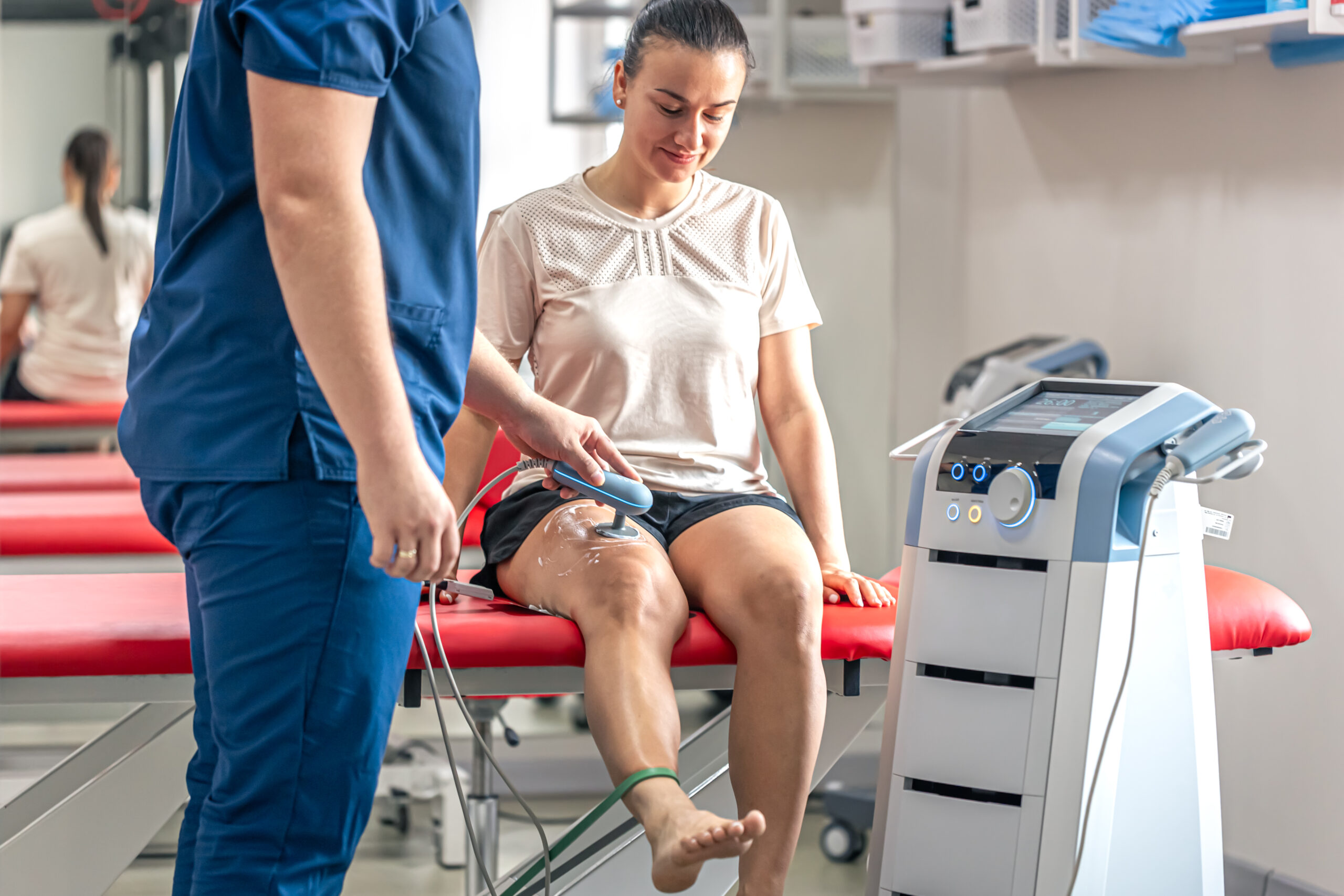
Recovery does not end when the surgery is completed. Rehabilitation is an essential part of the treatment journey and plays a key role in restoring strength, flexibility, and independence. Following knee replacement surgery, patients work closely with physiotherapists to improve joint movement, rebuild muscle strength, and gradually resume daily activities. A structured rehabilitation programme, regular follow-up consultations, and continued guidance from the orthopaedic team help ensure the best possible recovery.
Advanced Orthopaedic Care at Ruby General Hospital
At Ruby General Hospital, our commitment to innovation is matched by our focus on patient-centred care. The introduction of Robotic Total Knee Replacement reflects our dedication to offering advanced treatment options that combine technology with clinical expertise. Our orthopaedic specialists provide comprehensive evaluation, personalised treatment planning, advanced surgical care, and structured rehabilitation to support patients at every stage of their recovery. Whether your knee pain can be managed with conservative treatment or requires surgical intervention, our team works closely with you to determine the most appropriate course of care.
Take the First Step Towards Pain-Free Movement
Persistent knee pain should never be dismissed as an unavoidable part of aging. Early diagnosis and timely treatment can help prevent further joint damage and improve your quality of life. If knee pain is limiting your ability to walk, work, or enjoy everyday activities, consult an orthopaedic specialist at Ruby General Hospital. With the introduction of Robotic Total Knee Replacement and a comprehensive approach to joint care, we are committed to helping patients move with greater comfort, confidence, and freedom.



 98311 79175
 ruby@rubyhospital.com
© Ruby General Hospital - 2026. All Rights Reserved. Website Managed by M9 IT Consulting Services
ruby@rubyhospital.com
© Ruby General Hospital - 2026. All Rights Reserved. Website Managed by M9 IT Consulting Services
 Doctor Booking
 Call Us


 Whatsapp


