How Air Pollution and Environmental Factors Affect Your Heart and Lungs
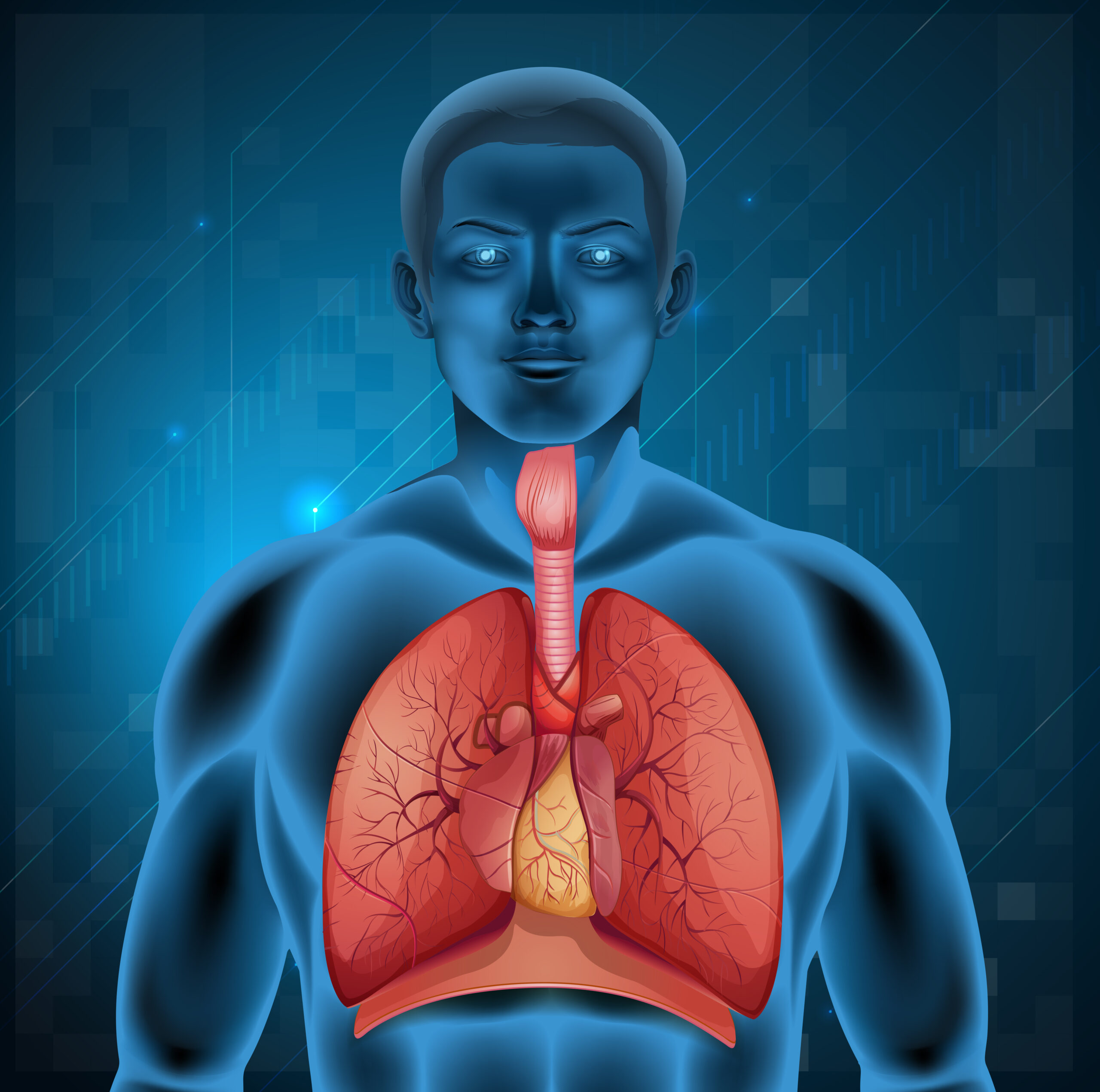
Every breath we take connects us to the environment around us. While clean air is essential for good health, increasing levels of air pollution and environmental hazards are becoming major concerns for both heart and lung health. Rapid urbanization, vehicular emissions, industrial activities, and environmental changes have led to higher exposure to harmful pollutants that can silently affect the body over time. The lungs are the first organ to come into direct contact with polluted air. Fine particulate matter, commonly known as PM2.5 and PM10, along with gases such as nitrogen dioxide, sulphur dioxide, and ozone, can enter the respiratory tract and cause inflammation and irritation. Prolonged exposure to these pollutants may worsen asthma, contribute to the development of Chronic Obstructive Pulmonary Disease (COPD), increase the risk of respiratory infections, and gradually reduce lung function. Children, older adults, and individuals with existing respiratory conditions are especially vulnerable to these harmful effects. Air pollution does not affect only the lungs. Research has shown that fine particles can pass from the lungs into the bloodstream, where they can trigger inflammation and damage blood vessels. This increases the risk of high blood pressure, heart attacks, strokes, irregular heart rhythms, and other cardiovascular diseases. Individuals with diabetes, hypertension, or pre-existing heart conditions may face an even greater risk when exposed to poor air quality over extended periods. In addition to outdoor pollution, several environmental factors can negatively impact heart and lung health. Indoor air pollution from cooking smoke, poor ventilation, dust, and exposure to chemicals can be equally harmful. Extreme temperatures, high humidity, second-hand tobacco smoke, and seasonal allergens such as pollen and mold can also place additional stress on the respiratory and cardiovascular systems. While it may not always be possible to avoid exposure completely, certain preventive measures can help reduce health risks. Monitoring air quality levels, limiting outdoor activities during high-pollution periods, wearing a well-fitted mask when necessary, maintaining clean indoor air, and avoiding tobacco smoke can all contribute to better heart and lung health. Regular exercise, a balanced diet, and routine health check-ups also play an important role in maintaining overall well-being. At Ruby General Hospital, we believe that awareness and early intervention are key to protecting long-term health. If you experience persistent cough, breathlessness, chest discomfort, or unexplained fatigue, consulting a healthcare professional can help identify underlying concerns early and ensure timely treatment. Protecting your heart and lungs begin with understanding the environment around you and taking proactive steps toward a healthier future.





 98311 79175
 ruby@rubyhospital.com
© Ruby General Hospital - 2026. All Rights Reserved. Website Managed by M9 IT Consulting Services
ruby@rubyhospital.com
© Ruby General Hospital - 2026. All Rights Reserved. Website Managed by M9 IT Consulting Services
 Doctor Booking
 Call Us


 Whatsapp


